Author Archives: peopleschoolblog
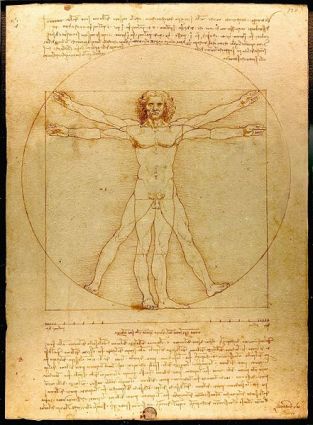 Leonardo’s famous sketch was made as a study of the male human proportions. It was based on text written by the ancient Roman architect Vitruvius.
Solar Eclipse
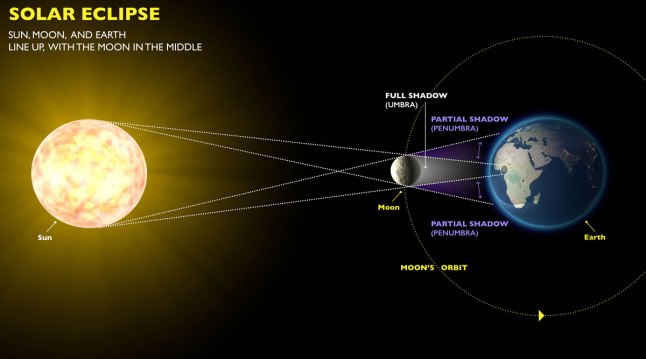
Total solar eclipses occur when the Moon comes between the Sun and the Earth and casts the darkest part of its shadow (the umbra) on Earth. The darkest point of the eclipse is almost as dark as night.
Telescope
A telescope is an optical instrument that aids in the observation of remote objects by collecting electromagnetic radiation (such as visible light). The first known practical telescopes were invented in the Netherlands at the beginning of the 1600s, by using glass lenses. They found use in both terrestrial applications and astronomy.

![Dad and three sons on a clear night looking thru a telescope Check out this light box with other Astronaut/Space Images by Nashville Photographer, Dieter Spears, Owner of Inhaus Creative. [url=http://www.istockphoto.com/search/lightbox/2459726#898cb29][img]http://dieterspears.com/istock/links/button_space.jpg[/img][/url]](https://i0.wp.com/people.school.blog/wp-content/uploads/2016/12/6a0133f2e9fdbf970b019affc27d83970d.jpg?w=504&h=336&ssl=1 "Dad and three sons on a clear night looking thru a telescope")
Dad and three sons on a clear night looking thru a telescope Check out this light box with other Astronaut/Space Images by Nashville Photographer, Dieter Spears, Owner of Inhaus Creative. [url=http://www.istockphoto.com/search/lightbox/2459726#898cb29][img]http://dieterspears.com/istock/links/button_space.jpg[/img][/url]
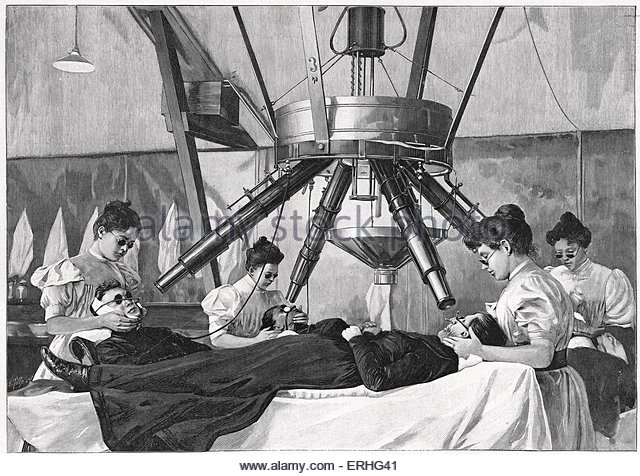
History of radiation therapy
 people